Every building manager has a version of the same story. Something minor, noticed but deferred, eventually becomes an urgent problem that costs several times what early intervention would have. The floor finish that needed refreshing six months ago. The window seals showing early failure before the water damage arrived.
Preventive maintenance exists to stop that story from repeating.
Reactive Maintenance Is the Most Expensive Approach
Waiting for failure is costly because by the time a problem demands attention, it has usually grown beyond its original scope. What started as a surface issue becomes structural. What was a localized stain becomes floor-wide deterioration.
Preventive maintenance interrupts that progression deliberately. It addresses conditions before they worsen, keeps repair costs predictable, and avoids the disproportionate expense of emergency intervention.
What a Real Preventive Program Covers
In a commercial facility, genuine preventive maintenance spans multiple systems and surfaces:
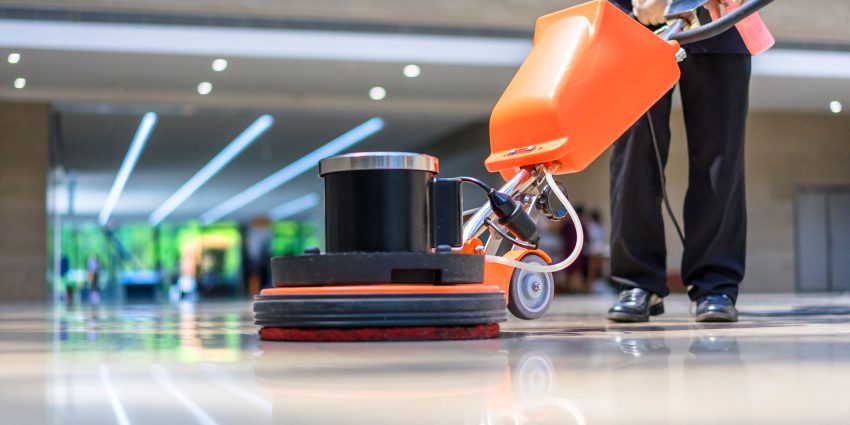
- Floor care cycles that strip, refinish, and protect surfaces before wear becomes irreversible
- Window cleaning schedules that prevent mineral deposits from etching into glass permanently
- Exterior upkeep that catches deteriorating caulk and drainage issues before water infiltration begins
- Landscaping maintenance that prevents root intrusion and pest harborage
- Interior inspections that identify lighting and fixture issues before they affect occupants
Each item represents a small, scheduled intervention. Each deferred item carries the potential to become a disproportionately expensive problem.
Floors Show Deferred Maintenance First
High-traffic flooring deteriorates faster than almost any other building surface. Carpet that goes without deep cleaning develops matting and soiling that shortens its lifespan significantly. Hard floors left without periodic refinishing develop scratches and surface degradation that eventually require full replacement rather than restoration.
The cost difference between maintaining a floor on schedule and replacing it prematurely is substantial. It’s also entirely avoidable.
The Exterior Communicates Building Health
Cracked pavement, deteriorating facade elements, and compromised drainage don’t just look neglected. They actively worsen. Water infiltration through failed seals causes interior damage that multiplies the original repair cost many times over.
Regular exterior inspections and prompt attention to early deterioration prevent small issues from becoming structural ones.
Planned Spending vs. Emergency Spending
The fundamental argument for preventive maintenance is financial. Planned, routine interventions cost predictably and budgetably. Emergency repairs arrive without warning, disrupt operations, and frequently cost more than a full year of preventive care would have.
Buildings maintained proactively simply cost less to operate over time. That’s not a theory. It’s the consistent experience of every facility manager who has run both approaches side by side.