
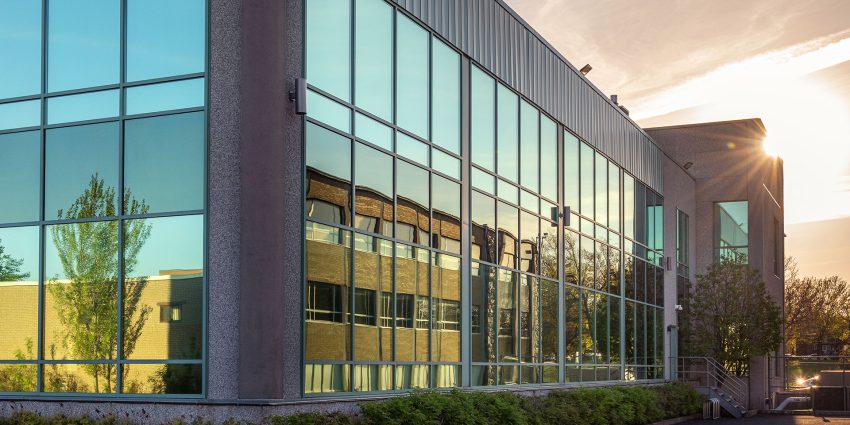
The landscape surrounding your building isn’t just decorative; it’s a powerful business asset that shapes perceptions, influences property values, and creates lasting impressions on everyone who encounters your space. Whether you manage a corporate campus, retail center, or multifamily property, understanding how landscape design impacts your building’s success can transform the way you approach exterior spaces.
Understanding the Modern Landscape of Buildings
Today’s commercial and residential properties exist within carefully orchestrated environments where architecture and nature converge. The landscape of buildings encompasses everything from manicured lawns and strategic tree placement to hardscaping elements like walkways, water features, and outdoor seating areas.
This integration serves multiple purposes beyond mere aesthetics. Smart landscape design addresses practical concerns like stormwater management, energy efficiency, and pedestrian flow while simultaneously creating spaces that promote wellbeing and productivity. Modern property managers recognize that outdoor spaces are extensions of the building itself, requiring the same level of strategic planning and maintenance.
Key Components That Define Building Landscapes
Softscape Elements
The living components of your building’s landscape form its biological foundation. Trees provide shade and wind protection while reducing cooling costs by up to 30% when strategically placed. Shrubs and ornamental grasses create visual interest and define spaces, while seasonal flowers add color and vibrancy that change throughout the year.
- Native plantings: Reduce water consumption and maintenance requirements
- Perennial gardens: Provide year-round structure with minimal replanting
- Turf areas: Balance functional space with environmental considerations
- Rain gardens: Manage stormwater while adding ecological value
Hardscape Features
Non-living elements provide structure and functionality to the landscape of buildings. Walkways guide visitors safely through the property while retaining walls create level spaces on sloped sites. Patios and plazas offer gathering spaces that encourage social interaction and outdoor activities.
Modern hardscaping materials range from permeable pavers that reduce runoff to recycled composite decking that mimics natural wood without the maintenance requirements. These choices impact both the immediate appearance and long-term sustainability of your property.
The Economic Impact of Strategic Landscaping
Well-designed landscapes deliver measurable returns on investment that extend far beyond curb appeal. Properties with professional landscaping command rental rates 7% higher than those without, while retail locations with attractive outdoor spaces report increased customer dwell time and spending.
The financial benefits multiply when you consider reduced energy costs from strategic shade placement, lower maintenance expenses from smart plant selection, and decreased liability from properly designed and maintained walkways. A building’s first impression through its landscape directly impacts its bottom line, influencing everything from tenant retention rates to property valuations during appraisals.
Sustainable Practices in Building Landscapes
Environmental responsibility has moved from optional to essential in modern landscape design. Green infrastructure elements like bioswales and permeable surfaces manage stormwater naturally while reducing the burden on municipal systems. These features often qualify for tax incentives and can help properties achieve LEED certification points.
Sustainability Checklist:
- Drought-tolerant plant selection reduces irrigation needs
- Composting programs minimize waste disposal costs
- Integrated pest management reduces chemical applications
- Smart irrigation systems optimize water usage
Seasonal Maintenance and the Evolving Landscape
The landscape of buildings transforms throughout the year, requiring adaptive maintenance strategies for each season. Spring brings growth and renewal, demanding pruning, mulching, and fertilization. Summer focuses on irrigation management and pest control, while fall preparations ensure plants survive winter dormancy.
Professional landscape management recognizes these cycles and plans accordingly. This includes selecting plant materials that provide four-season interest, implementing snow management strategies for winter safety, and scheduling major renovations during optimal planting windows.
Technology Integration in Landscape Management
Smart technology is revolutionizing how we maintain and monitor building landscapes. Soil moisture sensors trigger irrigation only when needed, reducing water waste by up to 40%. Robotic mowers maintain turf areas with minimal human intervention, while drone surveys identify problem areas before they become visible at ground level.
These innovations allow property managers to maintain higher standards while controlling costs, ensuring that the landscape of buildings remains attractive and functional year-round.
Creating Spaces That Foster Community
Modern building landscapes serve as social infrastructure, providing spaces where people connect and communities form. Outdoor dining areas, walking paths, and recreational spaces encourage interaction among tenants and visitors. These amenities have become particularly valuable as organizations recognize the importance of outdoor spaces for employee wellbeing and productivity.
Research shows that workers with access to quality outdoor spaces report 15% higher job satisfaction and take fewer sick days. For residential properties, community gardens and outdoor fitness areas become selling points that differentiate properties in competitive markets.
Planning Your Building’s Landscape Future
Developing an effective landscape requires balancing immediate needs with long-term vision. Start by assessing your current landscape’s strengths and weaknesses, considering factors like maintenance costs, water usage, and user satisfaction. Engage stakeholders early in the planning process to understand how different groups use outdoor spaces.
- Conduct a comprehensive site analysis including soil conditions and microclimates
- Define clear objectives aligned with your property’s brand and values
- Create phased implementation plans that spread costs over time
- Establish maintenance protocols that preserve your investment
The landscape of buildings represents more than aesthetic enhancement, it’s a strategic investment that impacts everything from energy efficiency to employee satisfaction. Whether you’re planning a complete renovation or incremental improvements, remember that every enhancement to your building’s landscape is an investment in its future success and the wellbeing of everyone who experiences your property.