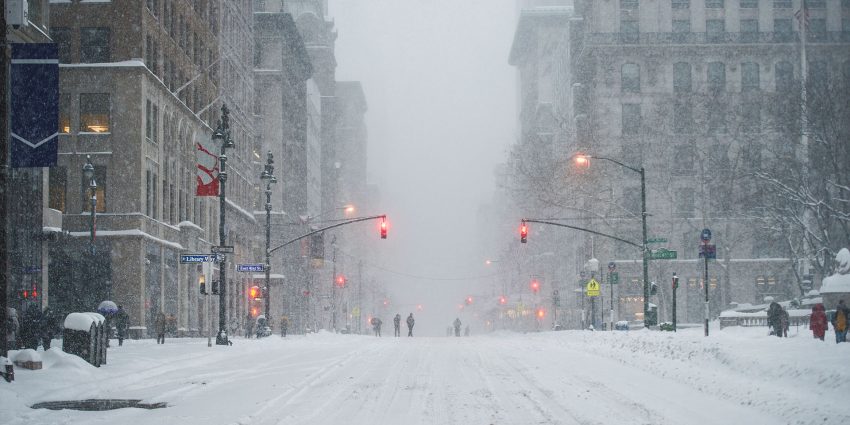
Snowstorms don’t always arrive politely. They don’t wait for business hours. They don’t check your schedule. They show up fast, heavy, sideways, sometimes all at once. And when they do, every property manager has the same question:
Is our snow plan good enough to fight back?
A snow plan is more than a contract or a few plow visits. It’s a strategy. A system. A set of decisions that determine whether your property stays safe, operational, and predictable when the weather turns unpredictable.
A Snow Plan Isn’t a Snow Event, It’s Everything Before It
Most failures happen long before the first flake touches the ground. Snow doesn’t cause chaos. Lack of preparation does.
If your plan doesn’t include pre-storm monitoring, site mapping, communication channels, and equipment staging, you’re already behind. Snow moves quickly; a good plan needs to move faster.
The strongest snow strategies include:
- Clear response timelines for light, medium, and heavy storms
- Pre-season site inspections that identify hazards
- Communication systems that don’t fail when you need them most
When preparation is shallow, the cleanup becomes a battle. When it’s deep, the storm feels manageable.
The Fastest Snow Removal Isn’t Always the Best
Speed helps, but precision wins. A property that’s cleared quickly but unevenly can still be unsafe. Ice patches hide in shadowed corners. Ruts freeze into trip hazards. Entrances stay slick because the walkways weren’t treated properly.
Snow removal should feel deliberate. Measured. Almost choreographed.
Quality over speed matters because:
- A rushed plow job creates new hazards
- Over-salting damages pavement and budgets
- Missed walkways cause liability issues
- Poor timing forces repeat treatments
A plan should be fast, yes, but never sloppy.
Ice Is the Real Enemy, Not Snow
Snow is visible. You can see it piling up. Ice, on the other hand, hides. It waits. It forms quietly overnight and appears exactly where you least expect it. And ice is what causes the worst slips, the worst falls, the worst lawsuits.
Your snow plan needs to treat ice like a living threat, not an afterthought. That means using weather data, temperature trends, and ground moisture, not guesswork, to decide when to apply materials.
The Best Snow Plans Don’t Rely on Luck
If your winter strategy depends on “hoping the storm isn’t too bad,” it’s not a plan, it’s a wish. A real snow plan anticipates problems. It expects obstacles. It has backup routes, backup equipment, backup communication, and backup timing. It doesn’t freeze when the weather does.
Snow will always try to win. But a strong plan hits back harder. And that’s the difference between a winter that feels chaotic and one that feels completely under control.